
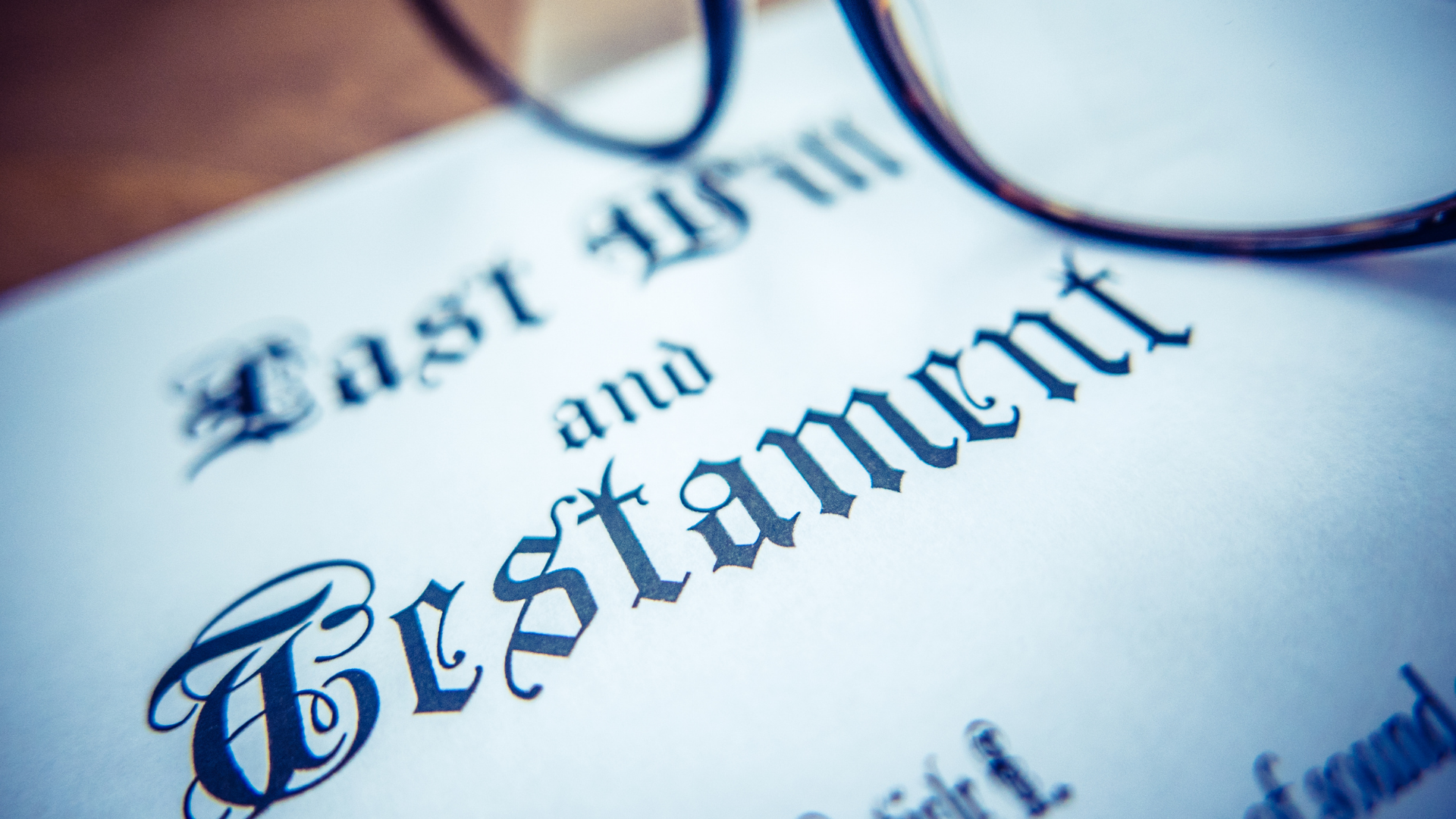
Many people looking into estate planning services ask the same question: Do I need a trust or a will? The answer depends on your goals, the assets you own, and the level of control you want over their management and future distribution. A will lets you direct how others should distribute your property after death. A trust can manage assets during your lifetime and control how they pass to beneficiaries later. Both have value, and many estate plans combine them.
At Willis Law Group, we help New Jersey families make these decisions with clear direction and confidence. Our firm focuses exclusively on estate planning and elder law, which allows us to provide guidance tailored to each client’s needs. Our team provides personalized planning, strong internal organization, and continuity of service so you work with the same paralegal from intake through completion. Many clients begin with a basic estate plan and continue working with us as their needs grow, including advanced asset protection strategies or Medicaid planning.
You Don’t Have To Choose Alone
Not Sure If You Need A Trust, A Will, Or Both? Let’s Talk It Through.
It’s a common question, and there’s no one-size-fits-all answer. What matters is what makes sense for your family, your property, and your peace of mind. Our team can walk through your situation with you and help you land on a plan that actually fits, whether that’s a will, a trust, or both working together.
Schedule Your Personalized MeetingWhat Is a Will?
A will is a legal document that allows you to:
- Name beneficiaries to receive your money, property, or personal belongings;
- Appoint an executor to carry out the instructions in your will;
- Designate guardians for children; and
- Provide instructions for debts and taxes.
In New Jersey, most assets governed by a will pass through probate, the court process loved ones use to transfer property after someone dies. Probate is handled by the County Surrogate’s Office where you lived, whether that’s Bergen, Hudson, Morris, or Monmouth County.
What Is a Trust?
A trust is a legal arrangement where a person or entity manages property for the benefit of another. The person who creates the trust transfers assets into it and sets rules for how a trustee should manage and distribute those assets.
Trust Structures
Trust structures vary. Trusts may be:
- Revocable—changeable during life;
- Irrevocable—not easily changeable;
- Living—begins during your lifetime; and
- Testamentary—begins after death.
A trust can manage assets for children until they reach adulthood, provide financial oversight for beneficiaries who need support, help families prepare for long-term care expenses later in life, and more.
Common Estate Planning Trusts
Estate planning strategies often include several types of trusts, such as:
- Revocable living trusts—allow you to maintain control of your assets while alive and provide clear instructions for managing and distributing property after death;
- Special needs trusts—provide financial support for a person with disabilities while helping preserve eligibility for certain government benefits;
- Asset protection trusts—shield certain assets from future legal risks or creditors; and
- Medicaid planning trusts—help individuals prepare for long-term care costs while preserving assets.
Revocable living trusts are among the most common planning tools because they allow individuals to retain control of property now while creating a clear plan for how others should manage and distribute those assets later.
What Is the Difference Between a Trust and a Will?
When comparing using a trust vs. a will, important differences include:
- When the document takes effect. A will takes effect only after death. A trust may manage assets during life.
- Court involvement. Property that passes through a will typically goes through probate court. Assets placed in a trust often avoid probate.
- Ongoing asset management. A will directs how others distribute property, but does not manage assets long term. Trusts can hold and manage assets over time.
These distinctions explain why estate planning attorneys frequently recommend both documents when they design a comprehensive estate plan.
Trust or Will—Which Is Better?
Whether a trust or a will is better will depend on your personal circumstances. A will may work well for individuals who:
- Have a relatively straightforward estate,
- Want to name guardians for minor children, and
- Prefer a simple document.
A trust-based plan may benefit individuals who:
- Own real estate, businesses, or other complex assets;
- Want long-term management of assets for beneficiaries; and
- Prefer to reduce the role of the probate court in transferring property.
For many families, a plan that combines both tools provides the most flexibility.
Do I Need a Trust or Will? Using Both Together
Sometimes you may need to use both a will and a trust. Comprehensive estate plans often include both a will and a trust. When attorneys design this type of plan, we usually help you create a pour-over will, which directs assets not transferred into your trust during life to be moved into it after death. As a result, you have a safety net to catch any assets not placed in the trust when you die.
Common questions
Trust vs. will in New Jersey: quick answers
Here are a few of the questions clients ask our New Jersey estate planning attorneys most often.
What’s the main difference between a will and a trust?
A will only takes effect after you pass away and directs how your property is distributed through probate court. A trust can manage assets during your lifetime and after, following rules you set up, without necessarily going through probate.
Do I need a will if I already have a trust?
Most comprehensive estate plans include both. A pour-over will catches any assets that weren’t transferred into your trust during your lifetime, so nothing gets left out of your plan. The two documents work together rather than replacing each other.
When is a will enough on its own?
A will can be enough for a straightforward estate, especially if you mainly need to name beneficiaries, appoint an executor, or designate a guardian for minor children. Simplicity is often the deciding factor.
When does a trust make more sense than a will?
A trust tends to make more sense if you own real estate or other complex assets, want ongoing control over how and when beneficiaries receive property, or want to reduce your estate’s involvement with probate court.
Does a trust avoid probate completely?
Assets properly transferred into a trust during your lifetime generally bypass probate. Any assets left outside the trust, however, may still need to pass through probate under a pour-over will, which is why funding the trust correctly matters.
Why choose Willis Law Group to help decide between a trust and a will?
Willis Law Group brings more than 25 years of experience helping New Jersey families build estate plans around wills, trusts, or both. That experience means a plan built around your actual assets and goals, not a generic template.
Planning Your Estate with Willis Law Group
Estate planning decisions often involve personal questions about family, responsibility, and the future. At Willis Law Group, we guide New Jersey families through these decisions with a clear, supportive planning process. We begin with a personalized initial meeting where we listen to your story, understand your goals, and develop practical strategies for protecting your wishes. With offices in Hackensack, Jersey City, Morristown, and Red Bank, we can meet with you close to home and explain exactly how probate works in your county.
If you are considering a will, a trust, or a plan that combines both, contact Willis Law Group to schedule an initial meeting.
Legal References Used to Inform This Page
To ensure the accuracy and clarity of this page, we referenced official legal and other resources during the content development process:
- Execution; witnessed wills; writings intended as wills, N.J.S.A. § 3B:3-2 (2005).
- Necessity to probate will to transfer property or nominate executor, N.J.S.A. § 3B:3-18 (1982).
